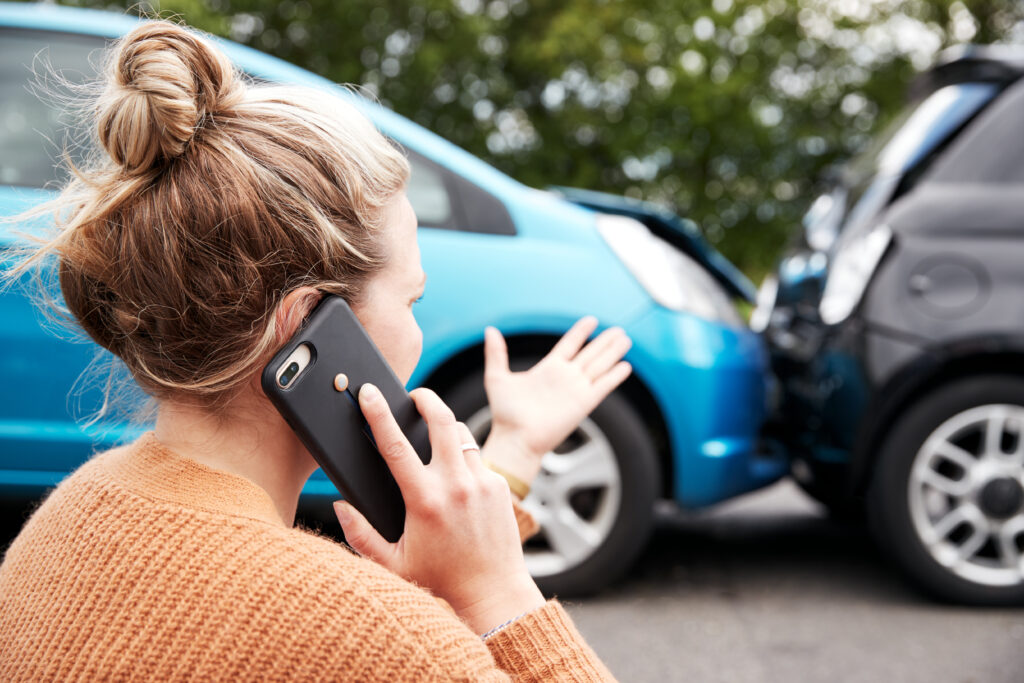
We make mistakes in our relationships, we trip over our words when we speak, and occasionally, we make mistakes on the road.
Accidents are a part of life, but what matters most in the aftermath isn’t the panic you feel; it’s the specific actions you take to protect your safety and your future.
Knowing exactly what to do can be the difference between a smooth insurance claim and a legal nightmare.
If you’ve found yourself in a fender bender or a more serious collision, first, take a deep breath.
You’ll be okay.
We’ve put together this step-by-step guide to help you navigate the situation calmly and correctly.
What To Do After A Car Accident
Phase 1: Immediate Safety and Emergency Call
The first sixty seconds are about stabilization. Your priority is to secure the scene and get help on the way immediately.
1. Secure the vehicle
Put the car in park and engage the emergency brake so the vehicle doesn’t move while you are disoriented.
Turn off the engine to eliminate fire hazards from potential fuel or fluid leaks.
Turn on your hazard lights immediately so oncoming traffic knows to slow down and move over.
2. Conduct a quick health check
Check your own body for pain, dizziness, or bleeding before you try to move.
Check on your passengers and children to ensure everyone is conscious and stable.
Take a quick look at the other vehicle to see if that driver is moving or appears trapped.
3. Make the emergency calls ASAP
Call the ambulance (911 or your local emergency number): Do this immediately if anyone is injured or if the cars are blocking traffic.
Always call the police: Even if it feels minor, you need an official report for insurance purposes.
Call for support: Once the authorities are on the way, call a friend or family member to help you stay calm during the wait. Don’t underestimate how much better this will make you feel.
Phase 2: Documentation While You Wait
While you are waiting for the police to arrive, your job is to gather as much evidence as possible to protect your side of the story.
4. Don’t move the vehicle (unless you have to)
If it is safe to step out of the car, photograph the vehicles exactly where they landed after the impact.
If you don’t feel safe leaving the vehicle and if the other party seems aggressive or dangerous, it’s perfectly fine to stay in your vehicle (as long as it is safe to do so).
Lock the doors until someone you trust arrives on the scene.
When should you move your vehicle?
Generally, you should stay put until the police arrive.
However, if you are in a high-speed lane or a dangerous “blind” spot, take quick photos from all angles and then move to the shoulder.
5. Capture the context
Get shots of the “point of impact” and the positions of the cars relative to the lane lines or traffic lights.
Photograph the damage on the other vehicle as well as yours. This creates an undeniable “snapshot” of the incident.
It prevents the other party from claiming you caused more damage than you actually did (like trying to get an old dent fixed on your dime) and protects you if they try to claim you are lying about the extent of your own damages.
Look for “Hidden” Evidence
Take photos of road signs, traffic lights, weather conditions, and any skid marks on the pavement.
Look around for gas stations, shops, or apartment buildings that might have security cameras pointed at the road. These may come in handy.
6. Exchange information using your phone
Use your camera to take clear photos of the other driver’s Driver’s License and Insurance Card.
Take a photo of their license plate and the entire car so there is no confusion about the make or model later.
Ask for a direct phone number so you can reach them if the insurance company finds a mistake in the paperwork.
7. Avoid the “Blame Game.”
Be polite when speaking to the other driver, but do not admit fault or apologize for the accident.
Even a simple “I’m so sorry” can be interpreted as an admission of liability in a legal setting.
Let the police officers and insurance adjusters determine who was responsible based on the facts you’ve gathered.
8. Say no to “Side Deals.”
If the other driver offers you cash to avoid a claim, politely decline and wait for the police.
Hidden damages to sensors, frames, or alignment can cost thousands more than a surface-level dent suggests.
In other words, neither of you will be able to correctly determine how much the damage costs at a glance.
Phase 3: What To Do Based on Fault
The police will ultimately determine who is at fault. Once that decision is made, your next steps will look slightly different.
If you are at fault (The “Wrong” Party):
Minimize the “Claim Size” on your record: Send your insurance company the photos you took of the other person’s car immediately.
If you don’t provide proof, the other driver might try to claim that your accident caused unrelated, expensive engine issues or old body damage.
By proving the damage was minor, you ensure your insurance company only pays what is fair, keeping the “claim cost” on your permanent record as low as possible.
Check for Accident Forgiveness: Many insurers offer this as a perk or a paid add-on, which means they won’t increase your premium for your first at-fault accident, essentially giving you a “free pass” for one mistake.
Prepare for a potential premium increase: If you don’t have accident forgiveness, your insurance will likely go up the next time you renew.
Start looking into your budget now and consider taking a defensive driving course, as some companies offer discounts that can help offset the hike.
Accident Debrief: Sit down and honestly assess what went wrong. Did you forget to indicate? Were you distracted?
Use this as a learning moment to improve your future driving and ensure it doesn’t happen again.
If you are not at fault (The “Right” Party):
Be fair: Don’t try to use the accident to fix old scratches or dents that were already there.
Track the repairs: Get a professional assessment from a mechanic to find out the true cost of fixing your vehicle and ensure the other person’s insurance handles the payment.
Defensive review: Even if you weren’t wrong, think about whether there was any way you could have spotted the danger sooner.
This will help you become a better driver.
Phase 4: The Following Days
Once you have left the scene, the focus shifts to your physical recovery and the administrative side of the accident.
9. Report the claim to your insurance
Most insurers require a report within 24 to 72 hours to process the claim efficiently.
Provide them with the police report number and the photos you took at the scene.
10. See a doctor within 24 hours
Adrenaline is a natural painkiller that can hide internal injuries like whiplash or concussions for several hours or even a full day.
Having a medical professional document your condition immediately after the accident is vital for any future health claims.
This also reduces the chances of having long-term complications or chronic pain that could have been prevented with early intervention.
“Morning After” Red Flags
Seek medical attention immediately if you experience any of the following:
- persistent headaches
- dizziness
- numbness
- tingling
- unexplained abdominal pain.
These symptoms often don’t peak until the adrenaline has completely left your system.
11. Do an “accident debriefing” session
Take a moment to think about what went wrong and what you can learn, whether it’s checking your mirrors more often or practicing defensive driving.
If you were at fault, don’t beat yourself up—everyone makes mistakes.
Focus on how to be a more vigilant driver moving forward.
12. Get back on the road
Anxiety can build if you avoid the driver’s seat for too long. Get back on the road as soon as possible!
Start with a short, low-stress drive around your neighborhood to prove to yourself that you are safe and capable.
When you feel comfortable, continue to drive the same route where the accident occurred.
Revisiting the scene helps desensitize your brain to the location and proves to your subconscious that the area itself isn’t “dangerous.”
The Power of Perspective and Gratitude
It is easy to get caught up in the stress of repair costs, but remember that cars are replaceable, but you are not.
Be grateful for your life
If you walked away from the accident, that is the most important outcome.
Take a moment to be thankful for your safety and the safety of those around you.
Cars can be fixed, but the ability to go home to your family is what truly matters.
Acknowledge the weight of the situation
We know that some accidents involve serious injuries or the tragic loss of life.
If you are navigating a serious trauma, please seek out professional therapy and legal counsel to help you manage the emotional and legal weight of the situation.
Also, try prayer, journaling, and affirmations. They really do make a difference.
Read: 40 Driving Affirmations to Keep You Calm & Confident
Helpful Tools for Future Safety

Car Escape Tool
Break windows and cut seatbelts — the two things that can keep you trapped in an emergency.
Buy on Amazon
4K Front & Rear Dash Camera with G-Sensor & Parking Monitor
This is your best "unbiased witness" for any future incidents, providing clear video evidence of what actually happened.
Buy on AmazonConclusion
Let’s be real: car accidents are scary.
They shake your confidence and disrupt your day, and sometimes much more.
But they do not define you as a driver.
What defines you is how you respond, how you learn, and how you move forward.
An accident isn’t something you need to fear every time you drive.
But if it happens, take a breath, follow these steps, and find something, however small, to be grateful for.
Drive safe! ♡
Was this post helpful?
Girls Who Drive — Community Verified